



Water heaters play a crucial role in our daily lives, providing us with hot water for bathing, cooking, and cleaning. However, just like any other household appliance, they require proper maintenance to ensure its maximum efficiency and longevity. With the Hudson’s cold climate, it is important to make sure that your water heater is working at its best.
In this guide, we will discuss some key tips on how to maintain your water heater for maximum efficiency in Hudson. We will cover everything from routine checks and preventive measures to troubleshooting common problems. By following these simple steps, you can save yourself from costly repairs or replacements in the future while keeping your energy bills at a minimum.
Understanding the Basics of Your Water Heater
Before we dive into maintenance, it is important to have a basic understanding of how your water heater works.
Types of Water Heaters
Water heaters generally fall into two main categories: tank and tankless models. Tank water heaters store and heat a specific amount of water in a large tank, making them ideal for households with higher water usage. On the other hand, tankless water heaters heat water on demand, providing an energy-efficient option for smaller spaces or those with lower water consumption needs.
The maintenance requirements vary depending on the type. Tank models typically need regular flushing to prevent sediment buildup, while tankless systems require descaling to avoid mineral deposits in the heating elements. Understanding these differences can help you choose the right option for your home and maintain it effectively.
Signs of an Inefficient Water Heater
Several signs can indicate that your water heater is no longer operating efficiently. Slow water heating or fluctuating temperatures are common red flags, as they suggest the system is struggling to meet demand. Additionally, an inefficient water heater often leads to increased energy bills, frequent repairs, or an inability to maintain a consistent hot water supply.
Reduced hot water availability is another clear sign. If you find yourself running out of hot water more quickly than before, your heater may be losing its efficiency. Addressing these issues early can help extend the lifespan of your water heater and maintain optimal performance.
Steps to Maintain Your Water Heater for Efficiency
Regular Flushing of the Tank
Sediment accumulation in your water heater tank can greatly affect its efficiency and increase energy consumption. Over time, minerals and debris settle at the bottom of the tank, forcing the heater to work harder and leading to higher energy costs. If left unaddressed, this buildup can also shorten the lifespan of your water heater. Regularly flushing the tank is a straightforward yet critical step in maintaining its performance.
To flush the tank safely and effectively, begin by turning off the power or gas supply and allowing the water to cool. Attach a hose to the drain valve and direct the water to a safe drainage area. Open the valve to release the sediment buildup. This maintenance should be performed annually or as required, depending on your water quality and usage.
Checking the Temperature Settings
Maintaining the proper temperature setting of approximately 120°F is essential for ensuring your water heater operates efficiently while minimizing safety risks. A setting that is too high can result in scalding, while a setting that is too low may reduce water temperature to inefficient levels, wasting energy. An optimal setting strikes a balance between safety, energy efficiency, and user comfort.
To check and adjust the temperature, locate the thermostat on your water heater. For gas models, the thermostat is usually a dial, while electric models might require removing an access panel. Use a thermometer to verify the water temperature and make adjustments as necessary. Periodically checking and calibrating the temperature can help prevent issues and ensure consistent performance.
Inspecting the Anode Rod
The anode rod is a vital component that protects your water heater tank from corrosion. Typically made of magnesium or aluminum, the rod attracts corrosive elements in the water, shielding the tank interior. Over time, the rod degrades, and replacing it as needed is critical to maintaining the integrity of the water heater.
To inspect the anode rod, turn off the water heater and release the pressure from the tank. Remove the rod using a wrench and examine it for signs of corrosion or thinning. If more than 75% of the rod has deteriorated, it should be replaced. Routine inspections, conducted every two to three years, can extend the lifespan of your water heater significantly.
Insulating the Tank and Pipes
Insulating your water heater and its pipes is an effective way to reduce heat loss and improve energy efficiency. Proper insulation minimizes the energy required to maintain water temperature, resulting in lower utility costs. This is particularly important for older systems and homes in colder climates.
To insulate the tank, utilize a water heater insulation blanket or jacket specifically designed for your unit. Wrap the blanket securely around the tank, ensuring that components such as the thermostat and burner remain unobstructed. For exposed pipes, install foam pipe insulation to further reduce heat loss. Adequate insulation enhances the efficiency of your water heater and reduces energy waste.
Testing the Pressure Relief Valve
The pressure relief valve is a critical safety feature that prevents excessive pressure buildup within the water heater. A malfunctioning valve can result in leaks or, in extreme cases, tank failure. Regular testing ensures the valve operates correctly and safeguards the system.
To test the valve, locate it on the top or side of the tank and position a bucket beneath it. Lift the valve lever slightly to allow water to flow out. If no water is released or if the valve continues to leak after testing, it should be replaced. Consistent testing helps maintain the safe and efficient operation of your water heater.
Inspecting for Leaks or Damage
Routine inspections for leaks and visible damage can help identify issues before they escalate into costly repairs. Signs of water pooling, rust stains, or corrosion on the tank may indicate underlying problems with valves, connections, or internal components.
Carefully inspect your water heater for any signs of leaks or rust, paying close attention to connections and fittings where issues often originate. Addressing these small problems promptly can prevent larger complications and extend the lifespan of your water heater.
Cleaning or Replacing Filters
In tankless water heaters, filters play an essential role in maintaining optimal performance by preventing debris from entering the system. Over time, filters can become clogged, reducing efficiency and potentially causing damage. Regular maintenance is necessary to ensure smooth operation.
To clean or replace the filters, first turn off the water heater. Remove the filter following the manufacturer’s instructions, rinse it thoroughly to remove debris, and reinstall it. If the filter is heavily damaged or clogged, replace it with a new one. Regular filter maintenance helps sustain performance and prolongs the lifespan of your tankless water heater.
When to Call a Professional in Hudson
Here are some instances when you may need to call a professional for help with your tankless water heater:
Knowing When DIY Maintenance Isn’t Enough
DIY maintenance can handle minor issues, but some problems require professional expertise. Signs like unusual noises, persistent leaks, or significant inefficiencies in your system are clear indicators that DIY fixes may not be enough. Ignoring these issues can lead to costly repairs or even system breakdowns, so it’s essential to recognize when to call in a professional.
Scheduling a professional inspection at least once a year is crucial to keeping your system in top condition. Experts can identify hidden problems that untrained eyes might miss, ensuring your equipment runs efficiently and safely. Regular maintenance can save you time, money, and stress in the long run.
Benefits of Local Expertise
Hiring a Hudson-based technician offers unique advantages for maintaining your system. Local experts have a deep understanding of the area’s water quality, climate, and common plumbing challenges, allowing them to provide tailored solutions.
Their familiarity with local issues ensures your system performs optimally under specific conditions.
Additionally, local technicians are well-versed in safety regulations and industry standards in the region. By hiring someone nearby, you ensure compliance with all necessary guidelines while supporting local businesses. Choosing local expertise means reliable service, personalized care, and peace of mind for homeowners.
How To Find The Best Professional For Your Water Heater Maintainance Needs
Maintaining your water heater is an essential part of homeownership, but it can be a daunting task for many. That’s why hiring a professional to take care of your water heater maintenance needs is crucial. However, with so many options available, it can be challenging to find the right person for the job. Here are some tips on how to find the best professional for your water heater maintenance needs.
Ask for Recommendations
Start by asking friends and family if they have any recommendations for a reliable and experienced technician in your area. Chances are someone you know has had their water heater serviced or replaced recently and can provide you with valuable insights on their experience.
Additionally, you can also ask for recommendations from local plumbing or home improvement stores. They often work closely with professionals in the industry and may be able to provide you with a list of trusted technicians.
Research Online
The internet is a great resource for finding professionals in any field, including water heater maintenance. Take some time to research different companies or individuals that offer these services in your area. Look at their websites, read reviews, and check their credentials.
It’s important to look for licensed and insured professionals who have experience working with water heaters. You can also check if they have any special certifications or affiliations that demonstrate their expertise in this specific area.
Consider Experience and Expertise
When looking for a professional to handle your water heater maintenance, it’s important to consider their experience and expertise. Someone with several years of experience in the industry will have more knowledge and skills when it comes to maintaining different types of water heaters.
You may also want to look for professionals who specialize in specific brands or models of water heaters. This can ensure that they have a deep understanding of how your particular unit works and what type of maintenance it requires.
Consider the Cost
Aside from experience and expertise, cost is another important factor to consider when hiring a professional for water heater maintenance. While it may be tempting to go for the lowest-priced option, keep in mind that quality work often comes with a higher price tag.
It’s also important to ask about any additional fees or charges that may not be included in the initial quote. This could include things like travel expenses, parts, or emergency services. Make sure to get a detailed breakdown of the cost so you can budget accordingly.
Consider Maintenance Plans
Some companies offer maintenance plans that include regular check-ups and servicing for your water heater. While this may come at an additional cost, it can save you money in the long run by preventing major issues and extending the lifespan of your unit. It’s worth considering if you want to ensure the longevity and efficiency of your water heater.
Tips for Energy Efficiency and Longevity
To maximize energy efficiency and extend the lifespan of your water heater, consider reducing your hot water usage. Installing low-flow showerheads and faucets can significantly cut water consumption without sacrificing performance.
Using cold water for tasks like laundry or rinsing dishes can also help save energy. Additionally, it’s crucial to assess your water heater’s condition regularly. Timely upgrades or replacements for outdated units can prevent energy waste and costly repairs.
If your current unit is inefficient, transitioning to an energy-efficient model, such as a tankless or ENERGY STAR-certified water heater, offers long-term savings and environmental benefits. By adopting these practices, you can lower utility bills, reduce your carbon footprint, and ensure a reliable supply of hot water for years to come.
Trust Boldt’s Plumbing & Heating for Your Water Heater Repair Services
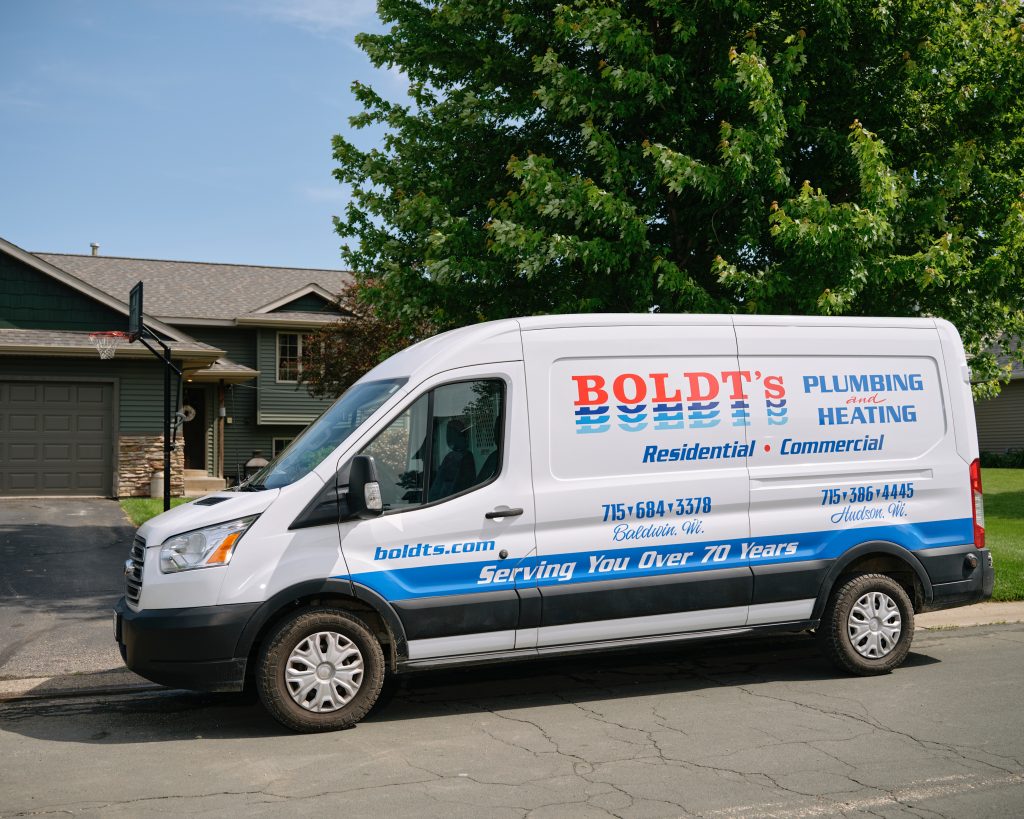
Boldt’s Plumbing & Heating has been a trusted name for water heater repair services in Baldwin and surrounding communities for decades.
With over 70 years of experience in plumbing, heating, and air conditioning, we specialize in fast, reliable water heater repairs to keep your home running smoothly. Whether you’re dealing with inconsistent hot water, a leak, or a complete system breakdown, our certified professionals are here to help.
Available 24/7 for emergency services, we ensure your comfort and peace of mind, no matter the time of day. As a family-operated and women-owned business, we’re proud to serve our community with the same dedication and work ethic that’s been a part of Boldt’s since the beginning.
Don’t let a faulty water heater disrupt your routine. Call us today for same-day service, free estimates, and financing options. Trust Boldt’s Plumbing & Heating to get your water heater back in top shape!
FAQs
How can heat pump water heaters improve efficiency?
Heat pump water heaters use electricity to move heat rather than generate it, making them a more energy-efficient option. They are especially effective in homes with high demand for hot showers, as they ensure optimal performance while reducing electricity consumption.
What are the benefits of regular maintenance for traditional tank models?
Regular maintenance for traditional tank models can prevent issues like mineral buildup and ensure water pressure remains consistent. These steps help avoid higher energy bills and further damage, extending the life of your water heater.
Why is addressing hard water crucial for on demand water heaters?
Hard water can lead to mineral buildup in on demand water heaters, reducing efficiency and causing wear over time. Regular cleaning and flushing are important to maintain performance and to ensure hot showers are always available when needed.
When should you consider professional help or a new water heater?
If your water heater shows signs of age, like frequent breakdowns or moisture leakage, it may be time for professional help to determine whether a repair or replacement is needed. Investing in a new water heater could provide better efficiency and prevent higher energy bills in the long term.